
Facial Expression from Artistic Abstraction
to Applied Communication Design
The Power of Expression

Project type
Master’s Thesis in Communication Design, Theoretical Research Foundation
semester
SS 2025
Supervisors
Dipl. Des. (FH) Magnus Feil MFA
Category
Facial Perception & Beauty, Empirical Surveys, Historical and Contemporary Analysis, Two Theoretical Projects
Universal Visual Codes
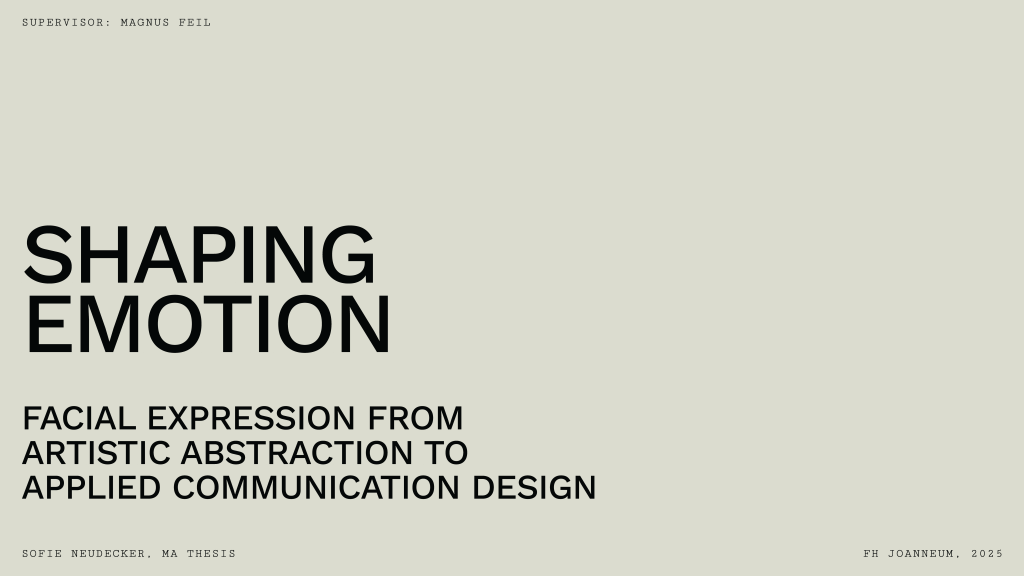
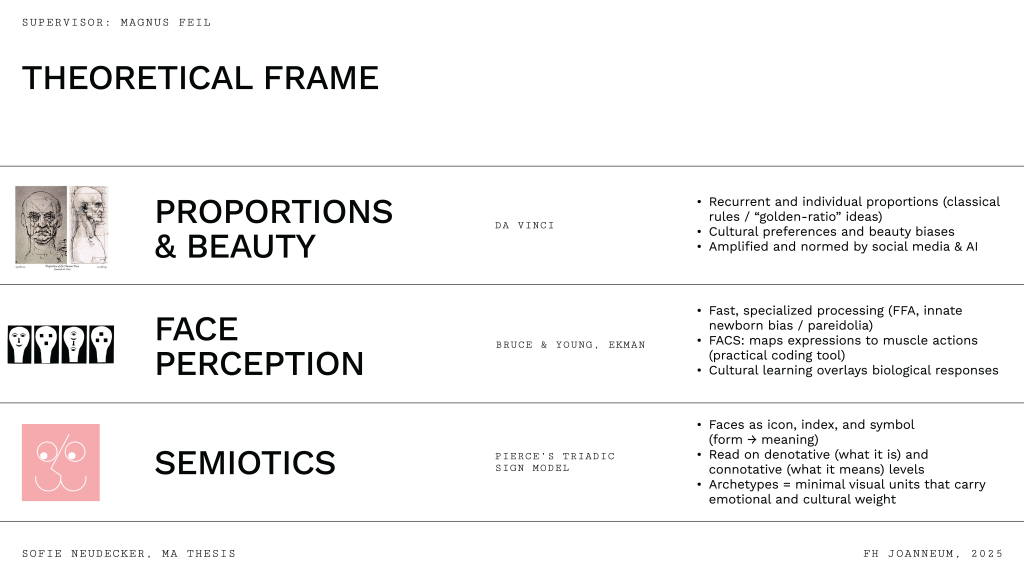
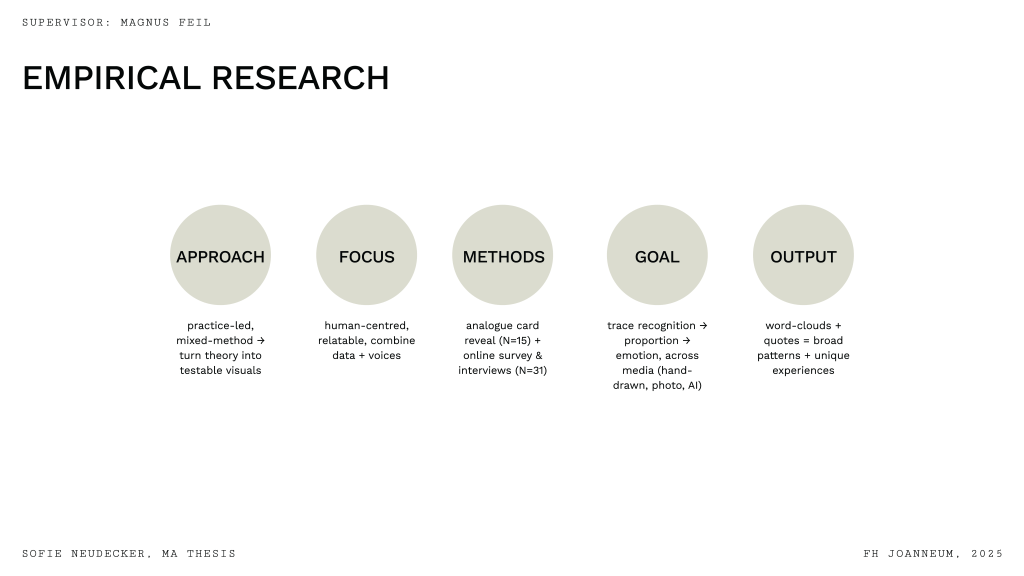
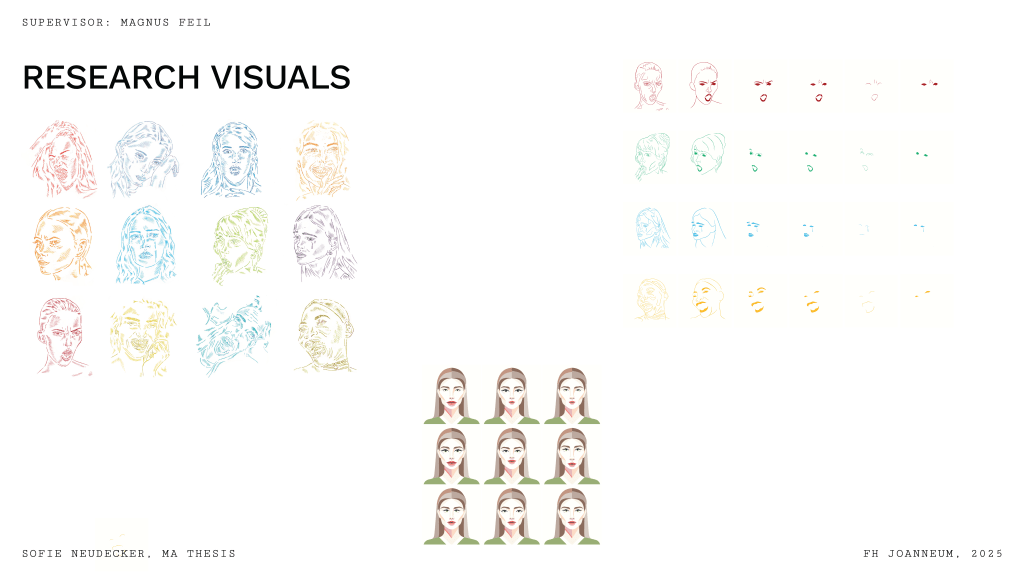
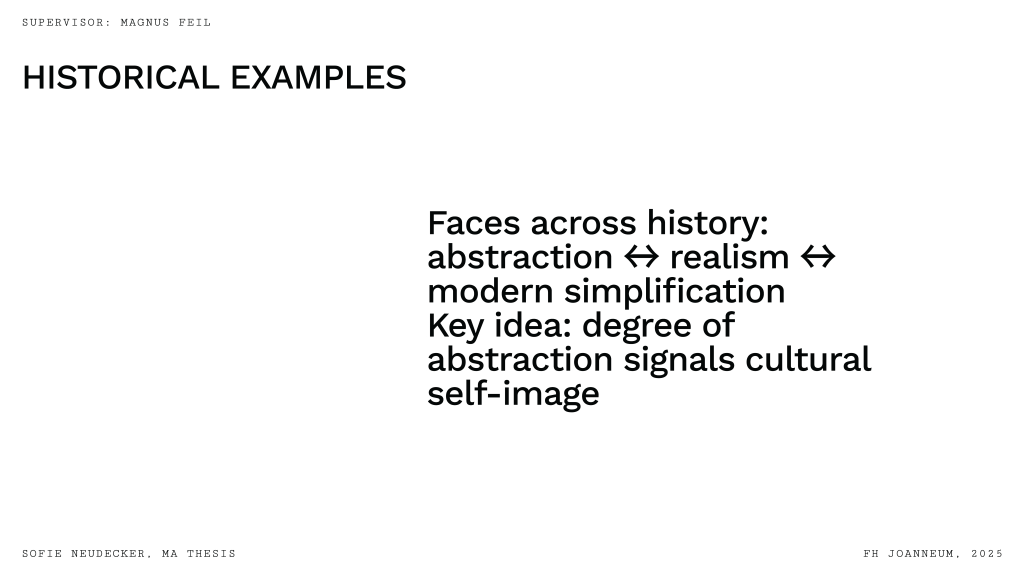
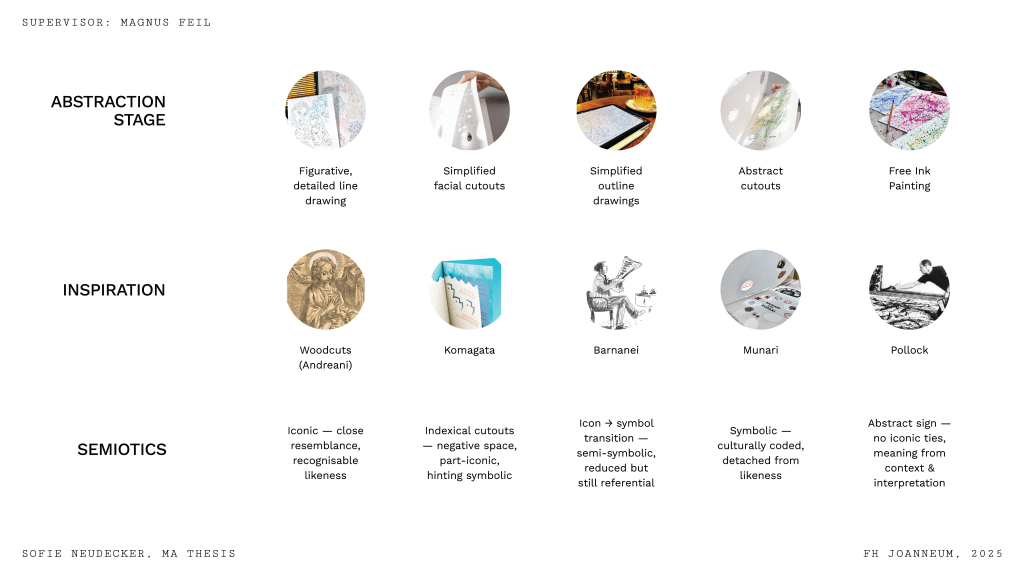
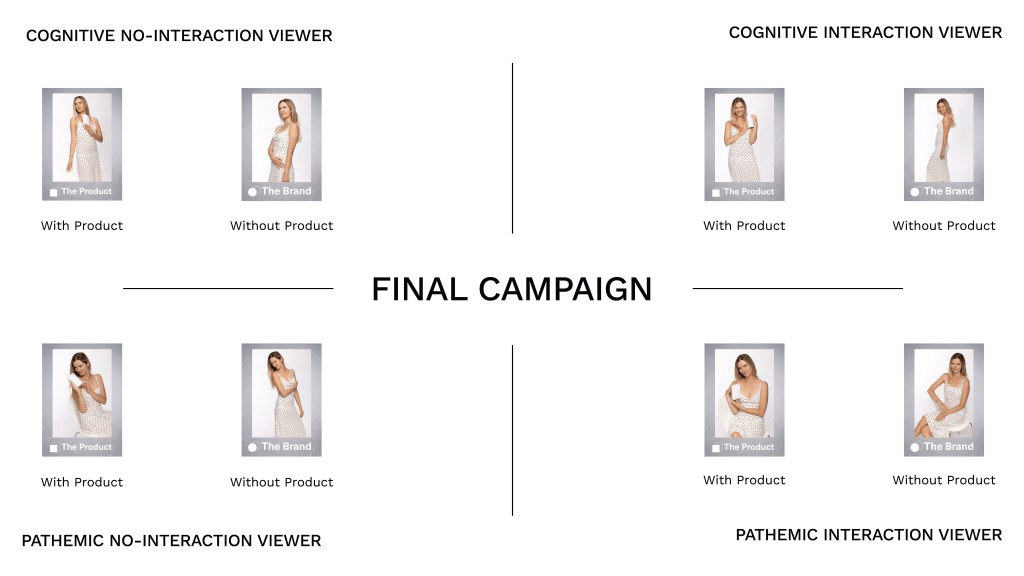
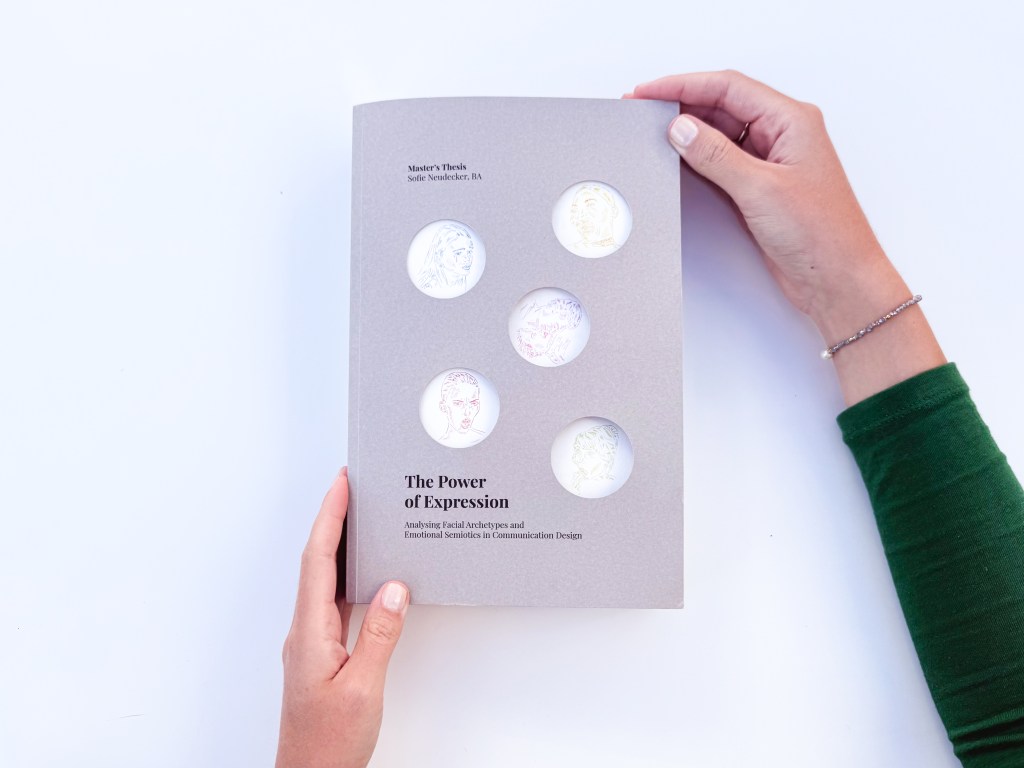
Shaping Emotion examines how simplified “facial archetypes” function as a compact semiotic system that shapes emotional perception in visual communication. Drawing on semiotics, psychology, and neuroscience, the thesis combines a historical survey, small empirical studies, the illustrated book Layers of Feeling, an ambiguous photographic ad campaign, and a brief AI-assisted experiment to probe authenticity and beauty ideals.
Research Questions
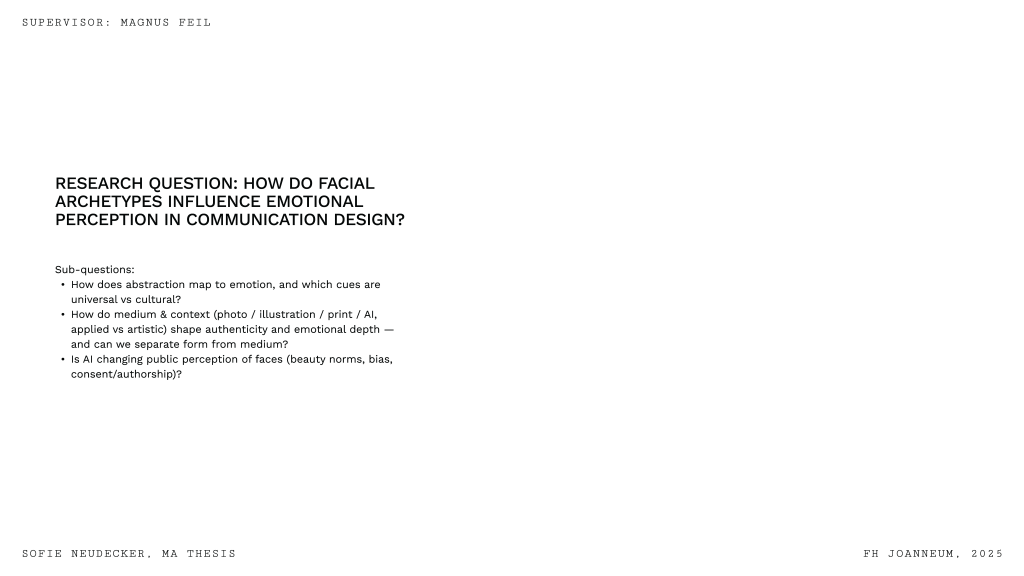
How do facial archetypes influence emotional perception and the effectiveness of communication design?
How does visual abstraction change the way emotions are interpreted?
How do different media (illustration, photography, or AI imagery) affect authenticity and trust?
Which aspects of facial expression are universal, and which depend on culture or context?
How can designers apply scientific and semiotic knowledge in ethical, practical ways?








Practical Projects
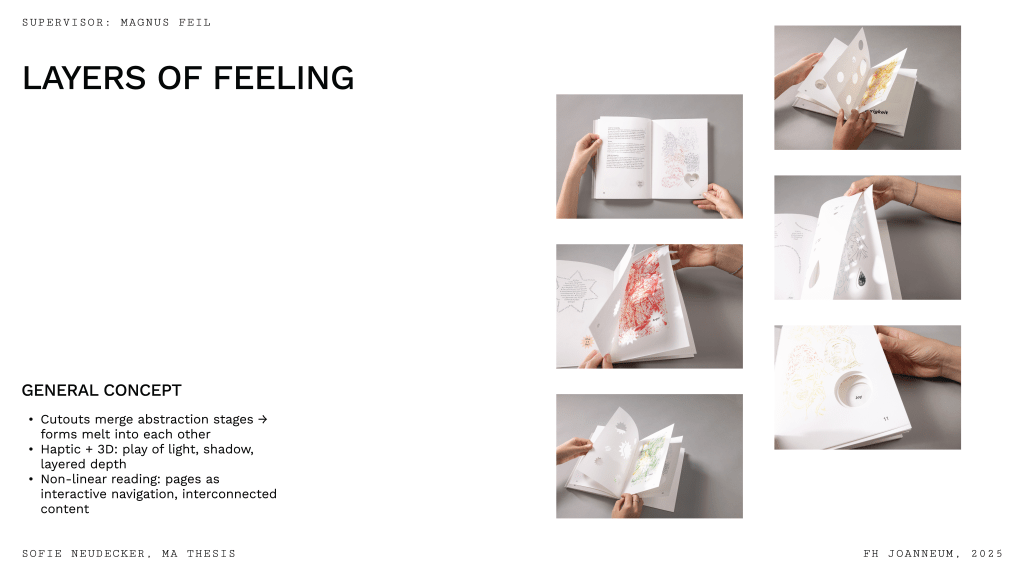
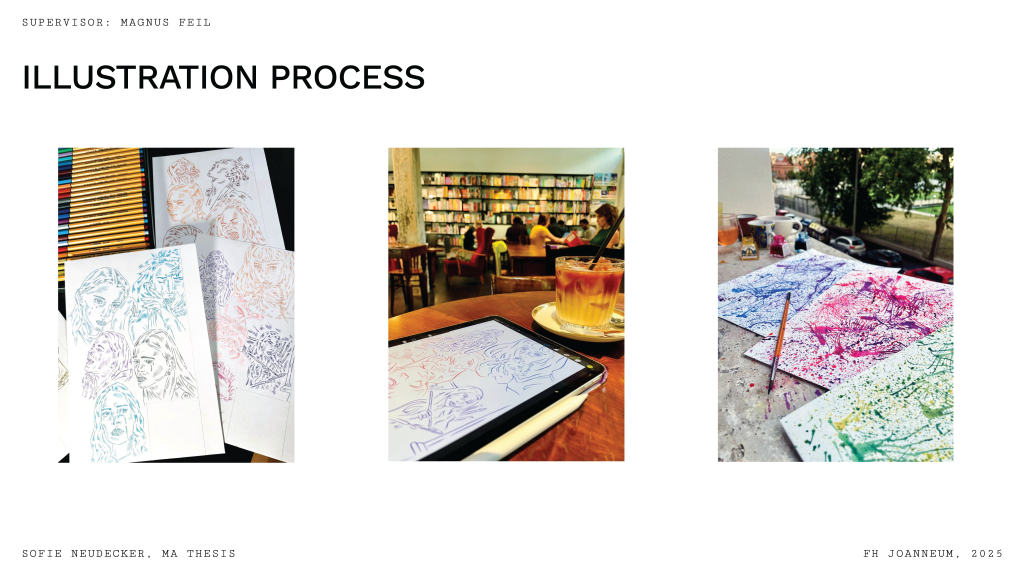
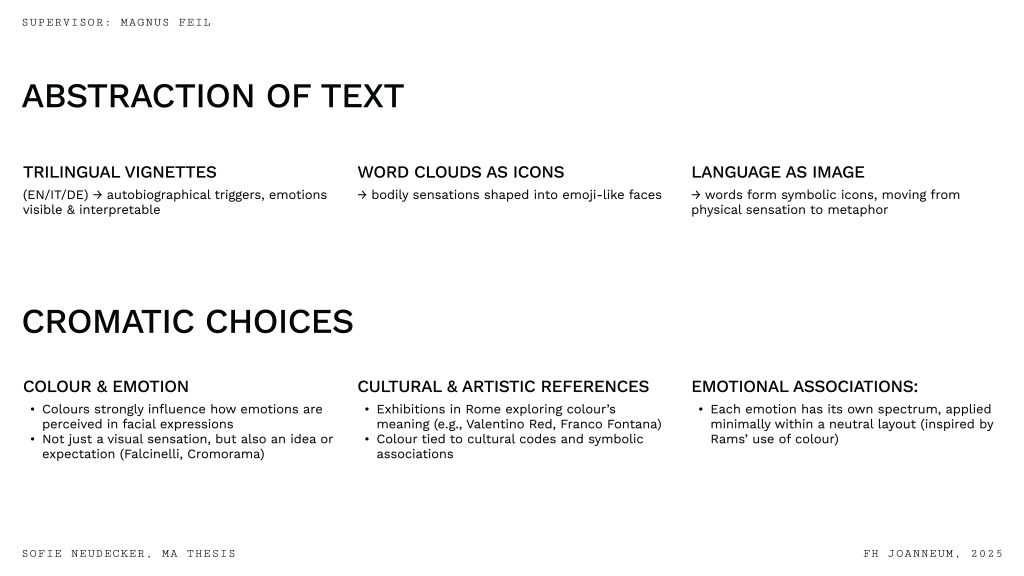
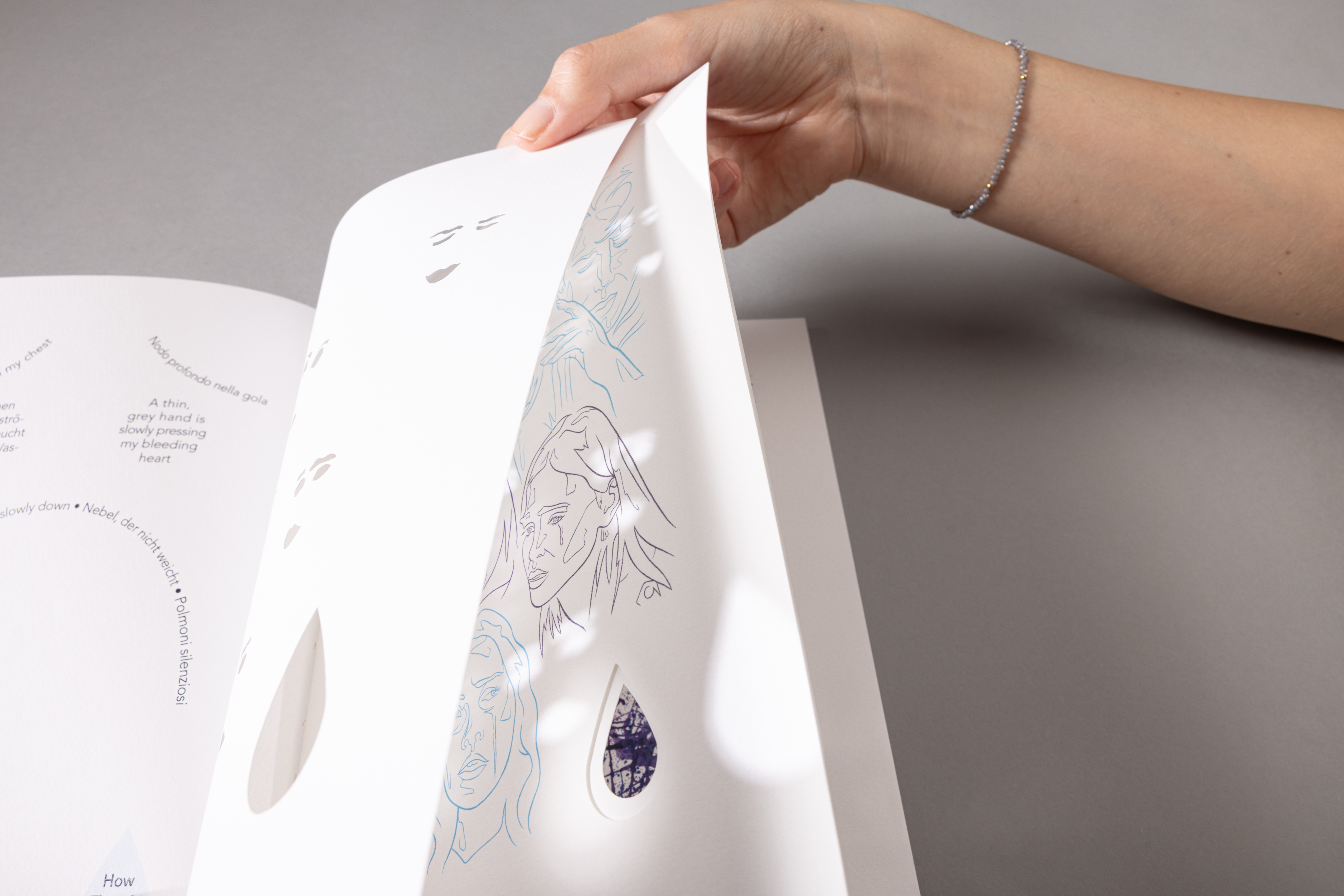
Layers of Feeling
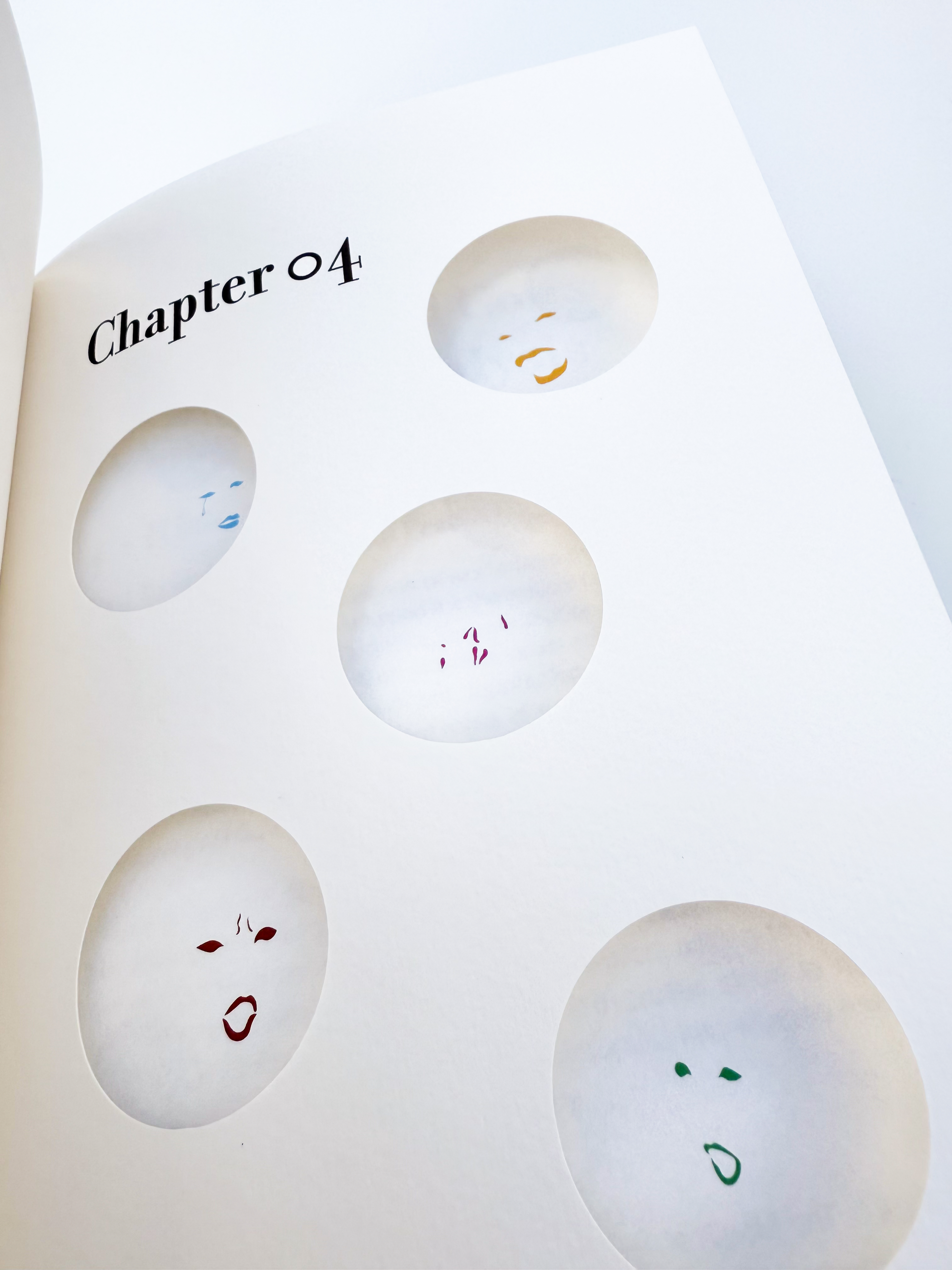
A subjective, playful book that exaggerates emotion through colourful illustration, moving from dense collages to abstract forms to reveal the essence of feeling.
Faces, Feeling and Trust
A neutral, colourless photo study capturing pure expression and testing sincerity versus performance, with an AI-assisted Remini experiment on authenticity and beauty.

Integrative
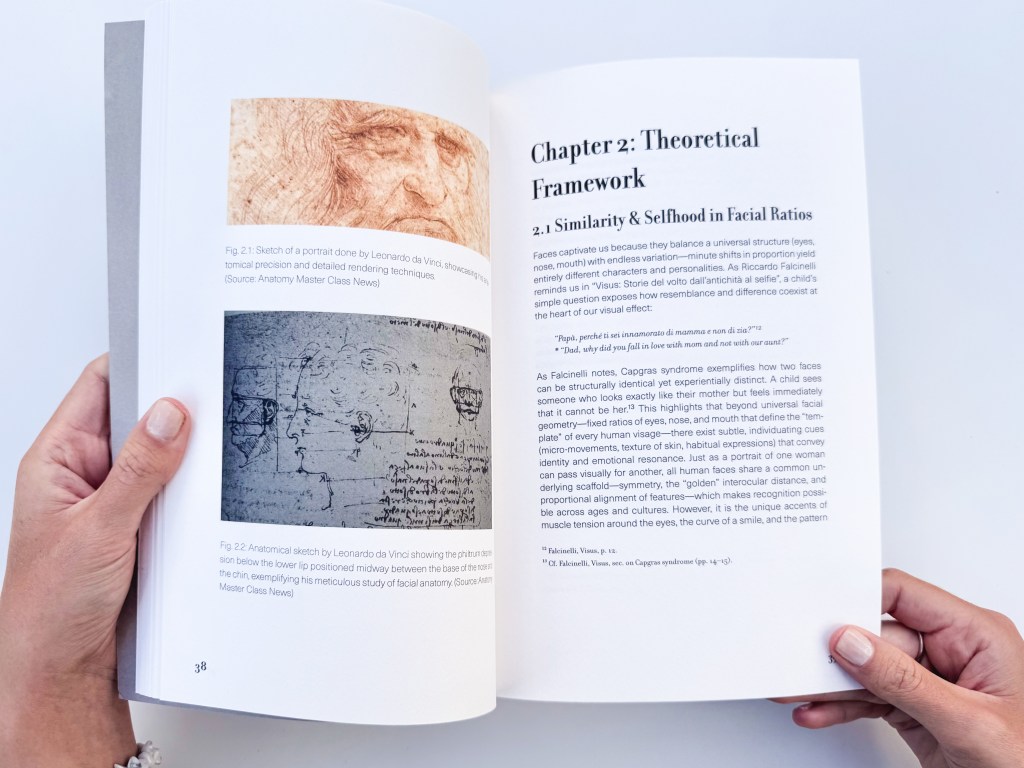
Combines semiotics, psychology, and neuroscience to show how facial archetypes evoke empathy and trust.
Historical
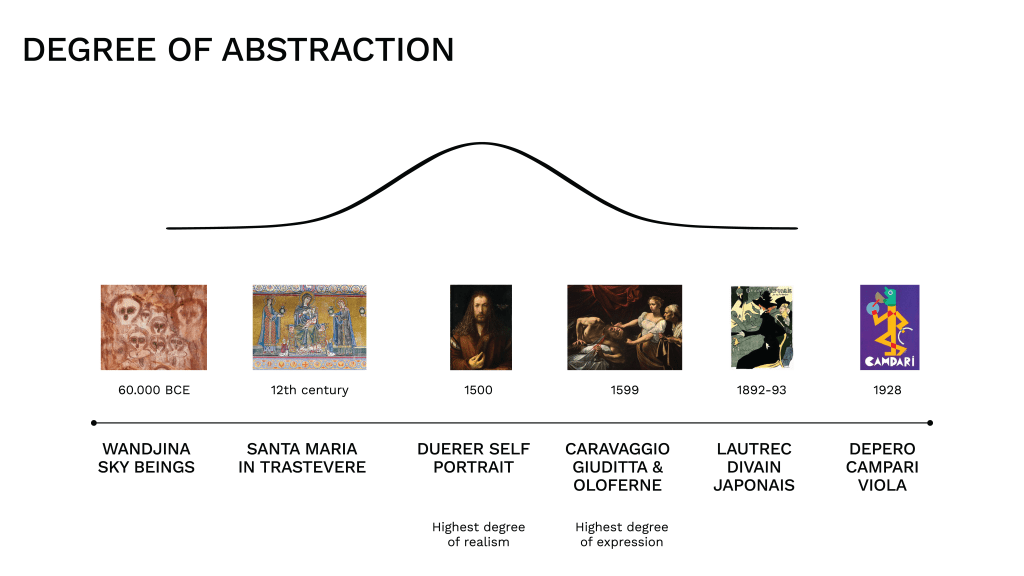
Traces the evolution of facial abstraction from modernist art to contemporary visual culture.
Empirical
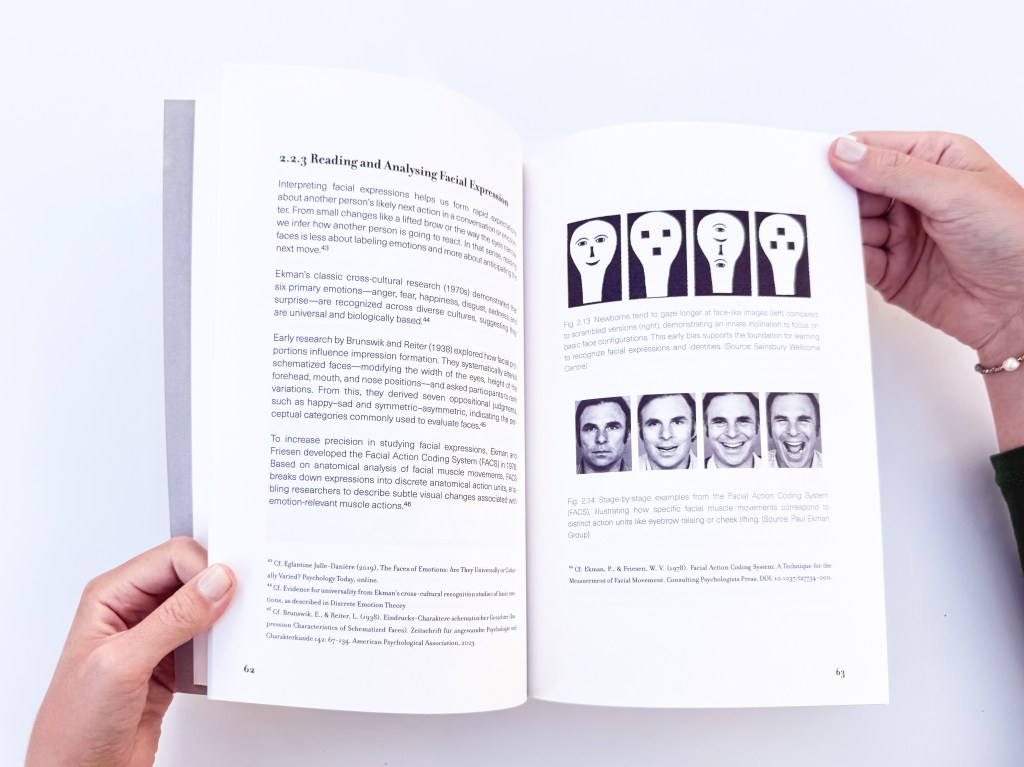
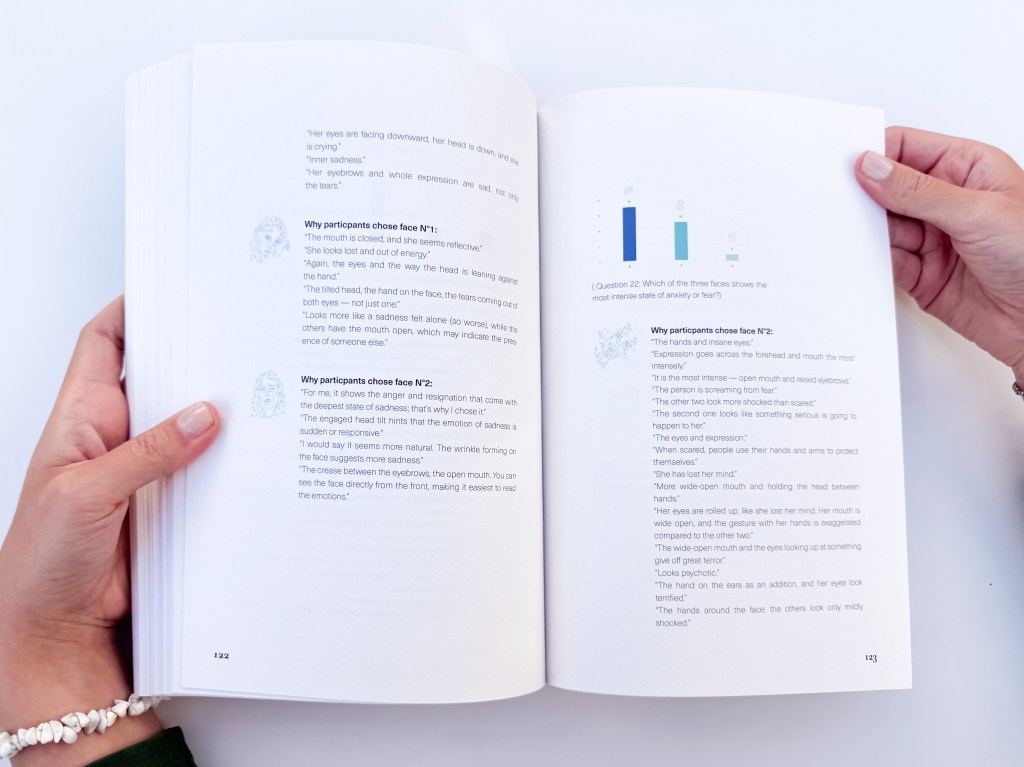
Studies how people read emotion in faces, balancing automatic response with contextual interpretation.
Ethical
Advocates culturally aware, transparent, and emotionally responsible facial design practices.








Conclusion
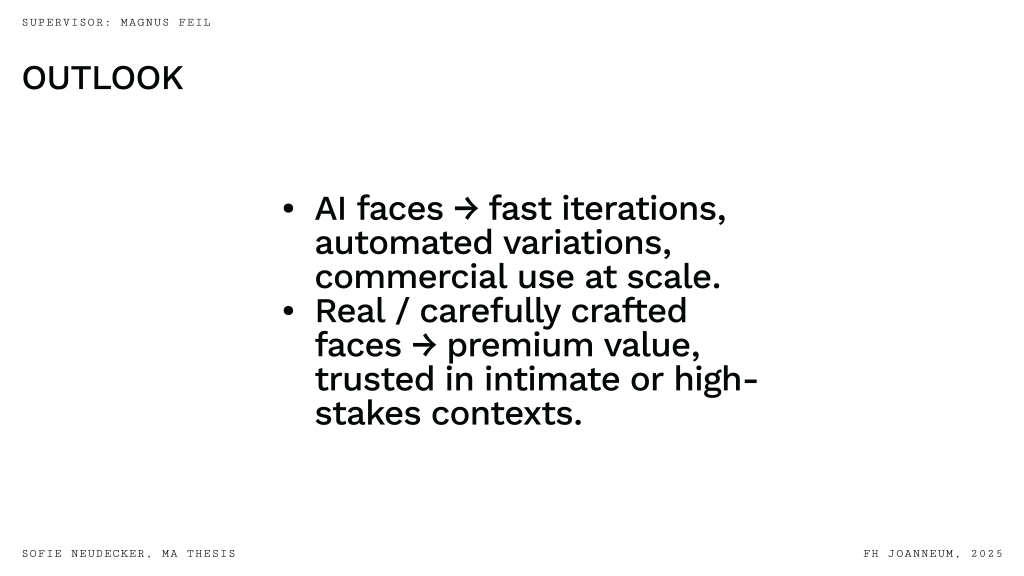
What the Research Revealed
Faces communicate both instinctively and culturally. Simple shapes can trigger recognition, but reading emotion shifts with medium, context, and culture. Drawings invite projection and empathy, photos signal realism. Across projects, emotion emerges from the relation between form, presentation, and viewer. Reducing detail often clarifies feeling and opens space for personal connection.
Toward More Thoughtful Design
The research yields a framework for responsible, emotion-aware design. Choose a style to fit the goal, emphasise key facial cues, test with real audiences, and disclose AI. Empathy and cultural insight matter as much as visual skill. Observation, iteration, and theory guide choices that make even minimal faces feel meaningful.
 Sofie Neudecker