
-

08. Child Scheme
How do Humans Perceive Cuteness? Definition of the Baby Schema (Kindchenschema) The term baby schema (or Kindchenschema) refers to a specific set of facial features commonly found in human and animal infants, including a large head, a round face, a high forehead, large eyes, and a small nose and mouth. These features trigger an “innate…
-

04. Problems in Face Recognition
Prosopagnosia and Autism Prosopagnosia: The Disease of “Face Blindness” Prosopagnosia, commonly known as “face blindness,” is a neurological condition that prevents the brain from recognizing faces or facial expressions. According to the Cleveland Clinic (2023), even though people with this condition have normal vision, their brains are impaired in processing and recalling faces. This often…
-
03. Face Perception
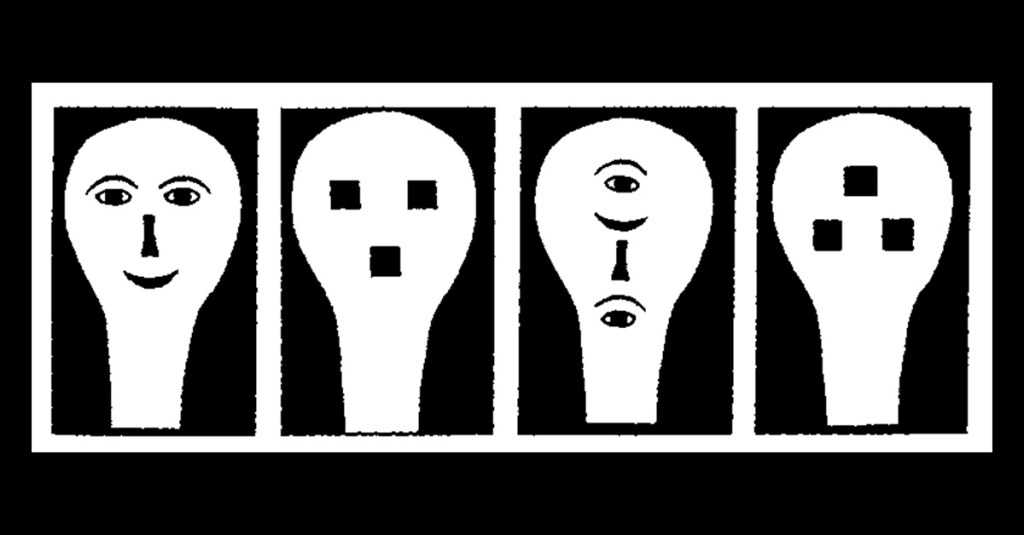
How do We Perceive Faces? Functional Specialisation The recognition of faces is “crucial to social interactions” (Duchaine and Yovel 2008), and several scientific studies indicate that a “number of separate processes,” some of which are “specialized for faces,” are involved in this recognition. Cognitive experiments have shown that “faces are represented in a more holistic…
 Sofie Neudecker