
Throughout the History of Art and Design
In this next step of my research it is my intention to observe how humans have depicted facial shapes throughout the history of art and design. The observation of the images gives an important insight into the way humanity used to see itself and is revealed by different artistic methods, techniques and image focuses. Additionally the changing degree of abstraction of facial features which decreases until the period of Renaissance and then increases again in the period of Modernity will be observed.
Paleolithic Cave Art: Sego Canyon

One of the oldest examples of human depiction comes from a cave in Sego Canyon, dating back to approximately 27,000 BC in the Paleolithic Era. The facial figure depicted in this artwork has an abstract, alien-like appearance, sparking much speculation regarding its meaning and origin. What stands out is the use of simple geometric shapes, resulting in a highly graphical and symmetrical style that displays both purity and abstraction. Despite the lack of clear interpretation, this ancient art reflects the early human desire to represent and understand themselves.
Wandjina Sky Beings: Aboriginal Rock Art
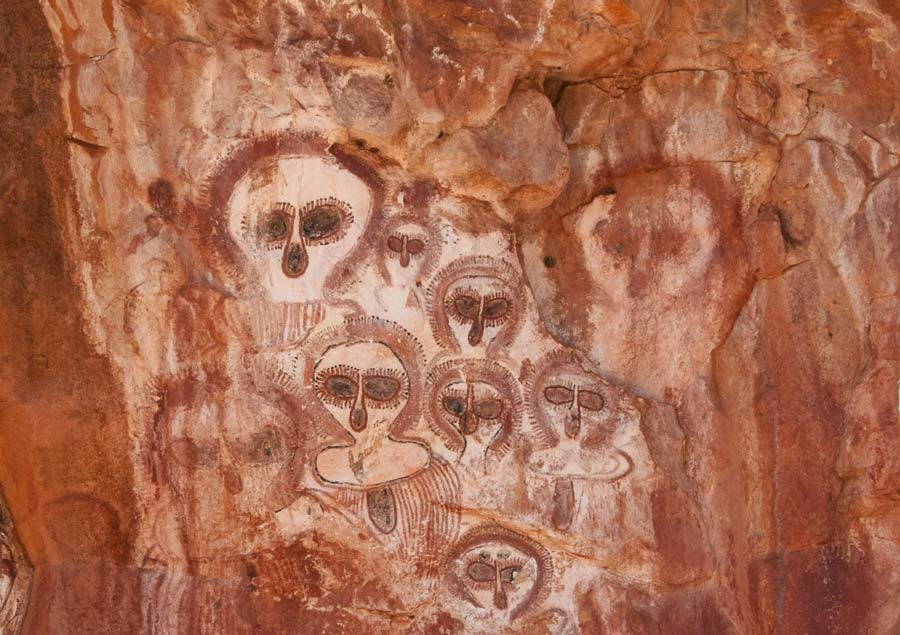
Another significant example of ancient facial depiction is the Wandjina Sky Beings found in the Kimberley region of northwestern Australia. These figures are part of a cultural tradition that dates back more than 60,000 years (Gillan, 2021). According to Australian Aboriginal legends, the Wandjinas were “supreme spirit beings” and creators of both the land and its people. The Wandjinas are depicted with white, mouthless faces, large black eyes, and halos around their heads.
The stylized depiction of these beings has led to various interpretations, from human representations to owls or even extraterrestrial beings. Like the Sego Canyon drawings, the Wandjina art exhibits a distinct, character-rich style that focuses on the face, reflecting early humans’ fascination with the mysteries of existence and the potential creators of life. While the exact motives behind these depictions remain unclear, it is evident that painting faces helped early humans reflect on their origins and purpose.
Egyptian Art and Hieroglyphs
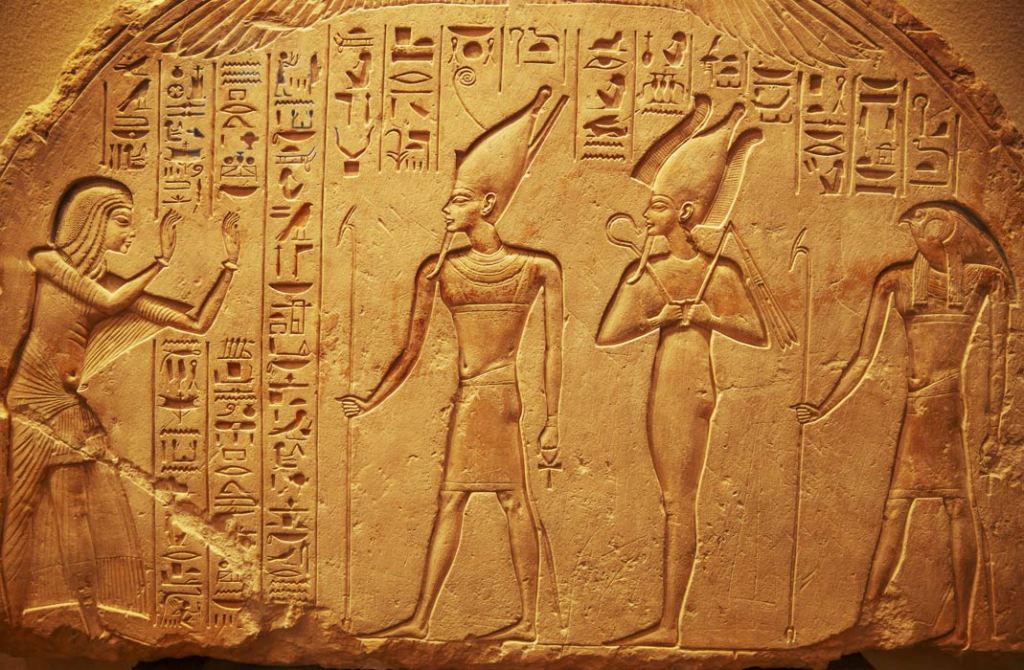
Hieroglyphs, dating back more than 5,200 years, played a critical role in ancient Egyptian society, particularly in recording royal achievements and fulfilling religious functions. Human faces in hieroglyphs are typically shown in profile and are highly stylized, with few individual traits. Gods, such as Horus, are often depicted with a human body and the head of an animal, like a falcon.

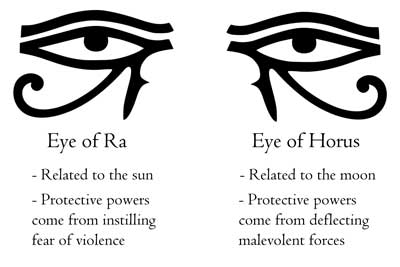
One notable aspect of Egyptian hieroglyphic art is the depiction of eyes. Even though faces are shown in profile, the eyes are always depicted from a frontal view. This deliberate artistic choice reflects the symbolic importance of the eye in Egyptian culture. The left eye, known as the Eye of Horus, represents the moon and carries yin energy, while the right eye, known as the Eye of Ra, symbolizes the sun and yang energy. These dual meanings highlight the complex interplay between visual representation and spiritual significance in ancient Egypt.
Eyes in Modern Graphic Design
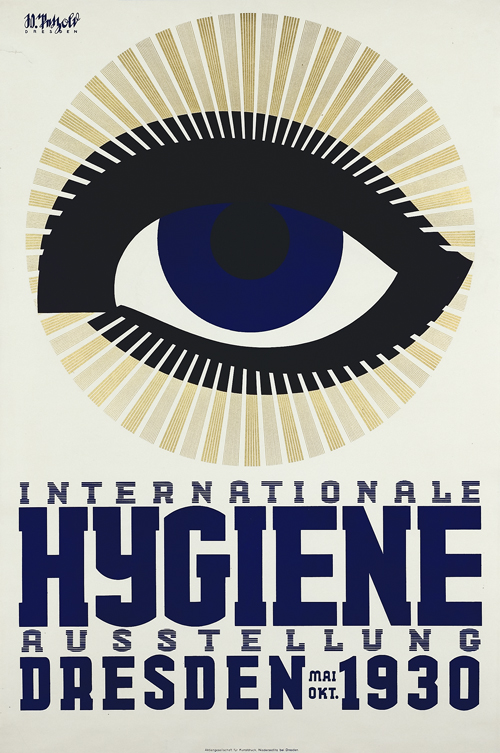
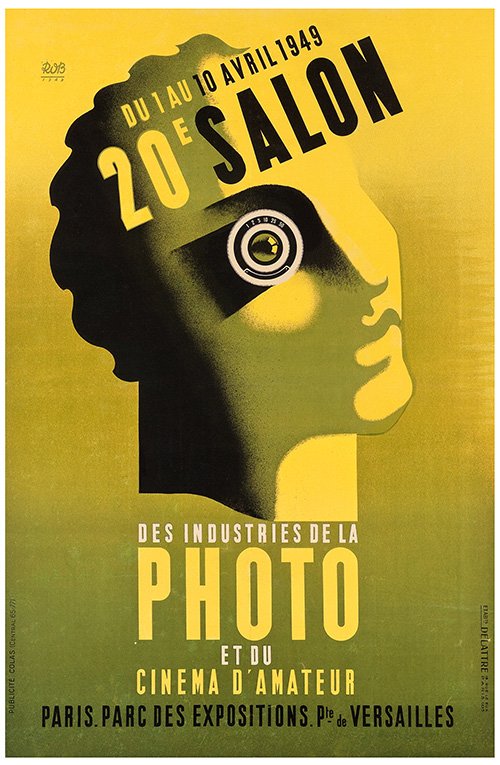
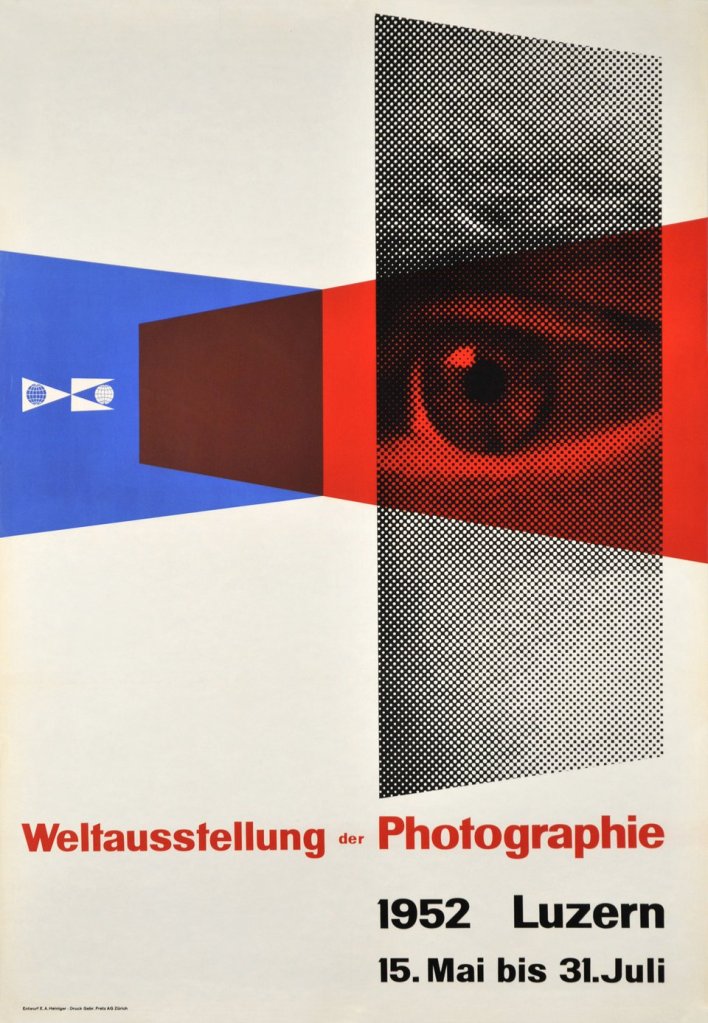
Eyes have long been regarded as “windows to the soul,” and their symbolic power continues to captivate audiences in modern graphic design. Much like the eye in ancient hieroglyphs, eyes in modern posters often serve as a focal point, drawing the viewer’s attention and evoking emotional responses. For example, posters from various countries and artistic movements—from Willy Petzold’s 1930s designs in Germany to anonymous Russian posters from 1929—show how the eye remains a central element that can communicate messages effectively across diverse cultures and styles.
These posters use the human eye as a powerful design element, much like ancient hieroglyphs, to convey both visual appeal and emotional depth. The enduring fascination with the eye demonstrates its timelessness as a symbol in art and design.


Sources:
Porter, Kathy, and the Gray Guardians. “If Paintings Were Photos, What Would Cave People Photos Show? Aliens!” 2015–2021. https://www.grayguardians.com/if-paintings-were-photos-what-would-cave-people-photos-show-aliens/.
Gillan, Joanna. “The Mysterious Aboriginal Rock Art of the Wandjina Sky Beings.” Ancient Origins: Reconstructing the Story of Humanity’s Past. November 2021.
https://www.ancient-origins.net/human-origins-folklore/wandjina-rock-art-00701
Hill, Bryan. “Egyptian Hieroglyphs: The Language of the Gods.” Ancient Origins: Reconstructing the Story of Humanity’s Past. August 2020.
https://www.ancient-origins.net/artifacts-ancient-writings/egyptian-hieroglyphs-002990
“The Egyptian Eye.” Egyptian History. January 2021.
https://egyptian-history.com/en-it/blogs/egyptian-symbols/eye-of-egypt
Book. History of Graphic Design. 1890 – Today. Taschen. Jens Müller, Julius Wiedemann.
Images:
Gallery Retro. “Photo Et Cinéma.” Gallery Retro, n.d. Accessed October 18, 2024. https://www.galleryretro.com/shop-art-prints/p/photo-et-cinema.
“Jean and Ernst A. Heiniger during the Shooting of the Cinemascope Film ‘Grand Canyon’.” Art Blart, n.d. Accessed October 18, 2024. https://artblart.com/tag/jean-and-ernst-a-heiniger-during-the-shooting-of-the-cinemasope-film-grand-canyon/.
Easy Multi Display. “The Evolution of Advertising.” Easy Multi Display, n.d. Accessed October 18, 2024. https://easymultidisplay.com/the-evolution-of-advertising.
Pinterest. “Soviet Constructivism Poster by Nikita Kalinichenko.” Pinterest, n.d. Accessed October 18, 2024. https://it.pinterest.com/pin/537617274273623264/.
Design Is Fine. “Willi Petzold. Poster Design for Exhibition, 1920s.” Design Is Fine. History Is Mine, n.d. Accessed October 18, 2024. https://www.design-is-fine.org/post/62177693240/willi-petzold-poster-design-for-exhibition.



 Sofie Neudecker
Leave a comment